Web development: how a modern website is built
For many business owners, web development remains a black box. You approve a design, and a few weeks later the website is online. Yet understanding the main building blocks of a website helps you ask the right questions, compare quotes and avoid unpleasant surprises. Here are the essentials, without unnecessary jargon.
Front end and back end
A website is made of two parts.
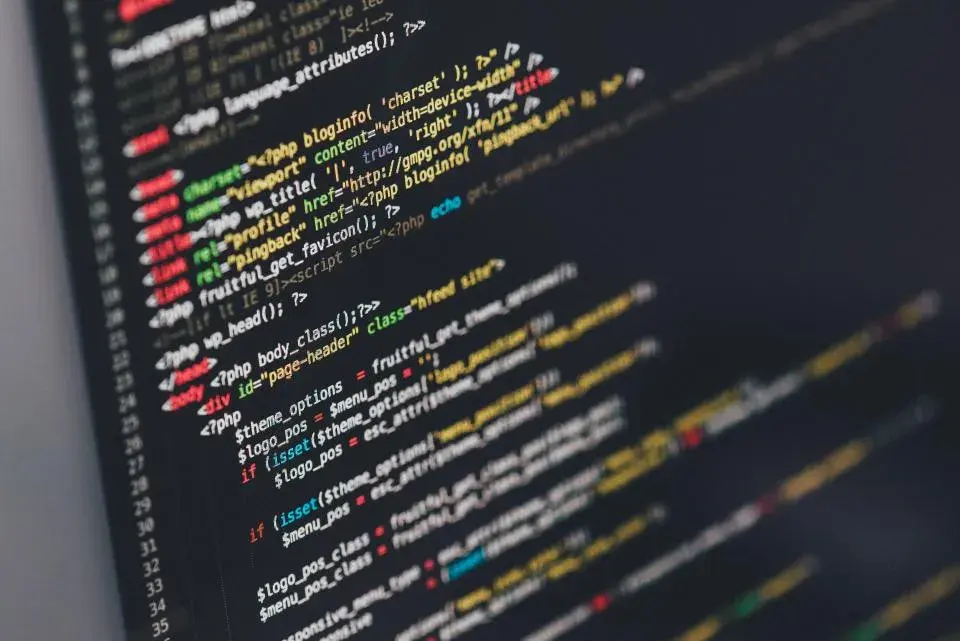
- The front end is what visitors see: the layout, the colours, the animations, the forms. It is built with languages such as HTML, CSS and JavaScript, and tools such as React.
- The back end is the invisible part: the database, account management, payment, sending emails, the admin area. It runs on a server.
A "full-stack" developer masters both.
CMS or custom development?
A CMS (content management system) such as WordPress lets you create and edit pages without writing code. It has thousands of plugins and suits many brochure websites and blogs. Its limits: plugins that weigh the website down, and regular updates that are essential for security.
Custom development, with modern tools such as Next.js, delivers very fast, secure websites fully adapted to your needs. It requires more skills, but gives more freedom. The choice depends on your project, your budget and who will update the website.
For online retail, dedicated platforms exist: we compare them in Shopify, WooCommerce or YouCan.
Domain name and hosting
The domain name is your website's address (.ma, .com or another extension). Hosting is the space where it is stored and served to visitors. Two pieces of advice: register the domain in your own name, and choose reliable hosting with backups. Modern platforms even serve the website from servers close to each visitor, which makes it faster.
Performance
A slow website drives visitors away, especially on mobile, and Google takes speed into account in its rankings. The main levers: compressed images in the right format, lightweight code, caching and high-performance hosting. Google measures, among other things, how long the main content takes to appear and how stable the page is while it loads. You can test your website for free with PageSpeed Insights.
Security
- An HTTPS certificate, which is essential.
- Regular updates of the CMS and its plugins.
- Strong passwords and limited access.
- Automatic, tested backups.
- Forms protected against spam.
Accessibility and mobile
A modern website adapts to every screen size (it is said to be "responsive") and remains usable by everyone: readable text, sufficient contrast, keyboard navigation, described images. These good practices also benefit search engine optimisation.
Multiple languages
In Morocco, a website in French, Arabic and sometimes English is common. Each language must have its own pages, and Arabic requires a right-to-left layout. Done properly from the start, a multilingual website also improves your visibility on Google in each language.
After the launch
A website is never finished: content to update, features to add, security to maintain, statistics to analyse. Plan for a maintenance contract or a team able to step in.
Getting support
Our web agency in Morocco develops fast, secure websites, custom-built or on a CMS depending on your project, as well as web and mobile applications. To prepare your project, read the 8 steps of a successful website.
Frequently asked questions
Is WordPress a good choice?
For many brochure websites and blogs, yes, provided you limit the plugins and keep it updated. For specific performance or feature needs, custom development is often preferable.
Will I be able to edit my website without a developer?
Yes, if the website is delivered with a suitable admin area. Specify this need in the requirements brief.