
Building a website: the 8 steps of a successful project (and the mistakes to avoid)
Building a website is not just about choosing an attractive design. It is a project with steps, decisions and pitfalls. Done well, it gives you a tool that works for you for years. Poorly prepared, it costs time, money and a great deal of frustration. Here are the eight steps of a successful website project.
1. Define the goals
What should your website do? Present your company, generate quote requests, sell online, recruit, inform your customers? The main goal determines everything else: the structure, the content, the features. Also set a measure of success, for example a number of contact requests a month.
2. Write the requirements brief
The brief describes your project: context, target audiences, pages, features, constraints, budget and deadlines. It lets you obtain comparable quotes and avoids misunderstandings. We devote a full guide to it: the website requirements brief.
3. Build the site structure
The site structure is the website's map: the list of pages and how they are organised. A good structure lets visitors find what they are looking for in two or three clicks. Think about search engines too: one page per important service, with a clear address.
4. Design the mock-ups
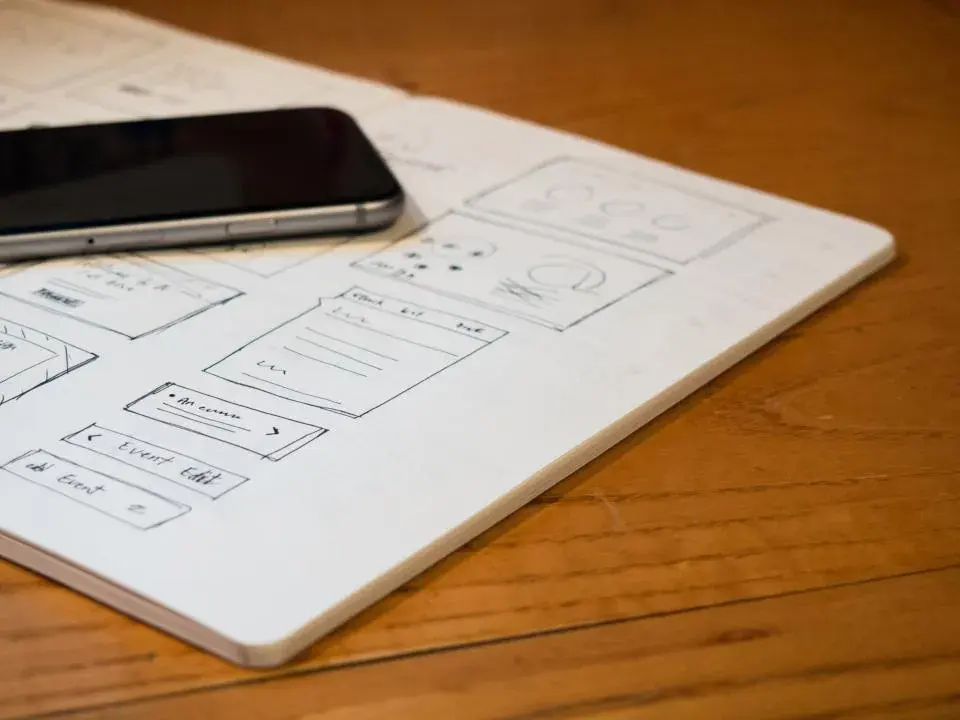
The designer draws how the pages will look, on desktop and on mobile. Approve the mock-ups before development: changing a design at this stage costs far less than once the site has been built. Start with mobile: that is often where most of your visitors are.
5. Prepare the content
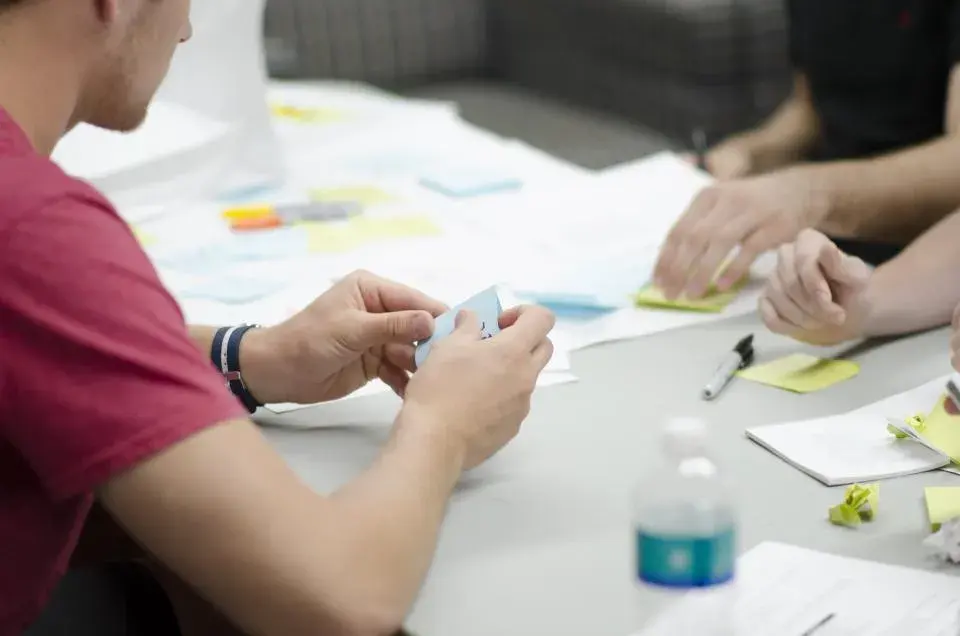
Text, photos, videos, logos, testimonials: this is the most often underestimated step, and the main cause of delays. Start early. Real photos of your team, your premises and your products inspire far more trust than stock images. Write clear text that talks about your customers' problems before talking about yourself.
6. Develop the website
The developer builds in the mock-ups, the content and the features: forms, payment, booking, multiple languages. They also lay the foundations of search engine optimisation: tags, speed, structure, sitemap.
7. Test
Before launch, test everything: on several phones and browsers, every form, every link, every step of the purchase. Have the website tested by a few people outside the project: they will see what you no longer notice.
8. Launch and keep the website alive
Hosting, domain name, Google Search Console, analytics: the launch is a beginning, not an end. A website must be updated, secured, enriched and promoted to attract visitors.
Mistakes to avoid
- Choosing on price alone: a cheap website that generates no leads ends up costing more.
- Forgetting SEO: rebuilding a website without keeping the old addresses can lose rankings built up over years.
- Not owning your domain: the domain name and the access credentials must be in your name.
- Neglecting speed: a slow website drives visitors away and hurts your rankings.
- Thinking the website will sell itself: without SEO or promotion, a website stays invisible.
Getting support
Our website design agency in Morocco supports you at every step, from scoping to launch, then handles maintenance. Whether you need a brochure website or an online shop, also discover our web agency in Morocco.
Frequently asked questions
How long does it take to build a website?
A few weeks for a brochure website, longer for an e-commerce website or a custom platform. The timeline depends above all on how quickly approvals are given and when the content is ready.
Is a custom website better than a template?
A template lets you move fast on a small budget, but it limits customisation and can weigh the website down. A custom website adapts exactly to your image and your needs.