Social media editorial calendar: method and key dates in Morocco
“What are we posting today?” If that question comes up every morning, your social media is probably missing an editorial calendar. Without a plan, posts become irregular, key moments are prepared in a rush and the brand's message gets diluted. The editorial calendar solves this: it organises in advance what you publish, where, when and why.
What is an editorial calendar?
It is a schedule, usually monthly, that lists every planned post on your social media. For each post, it includes:
- the publication date and time;
- the network (Instagram, Facebook, TikTok, LinkedIn…) and the format (post, carousel, Reel, story, video);
- the theme, or content pillar;
- the post copy and the call to action;
- the visual or video, with a link to the file;
- the status (idea, in production, to approve, scheduled, published) and the person responsible.
A simple spreadsheet is enough to start with. What matters is that the whole team, and the person who approves, work on the same document.
Building your calendar in 6 steps
1. Start from your goals
Building brand awareness, generating WhatsApp messages, filling a diary, recruiting, building loyalty: each goal calls for different content. Set one or two priority goals per quarter and check that every post contributes to them.
2. Define 3 to 5 content pillars
Pillars are the broad families of topics you cover regularly. For a clinic, for example: health tips, introducing the team, equipment, practical information. For a fashion brand: new arrivals, style tips, behind-the-scenes, customers wearing your products. Alternating pillars avoids a purely promotional feed, which quickly becomes tiresome.
3. Choose your networks and a realistic frequency
Three well-crafted posts a week, kept up all year, are better than one post a day for two weeks followed by a month of silence. Focus on the networks where your customers are rather than being everywhere, and adapt the formats to each: vertical video for Reels and TikTok, educational carousels for Instagram and LinkedIn, more corporate messages for LinkedIn.
4. Mark the key moments of the year
This is where a calendar designed for Morocco makes the difference. Note at the start of the year:
- Religious holidays: Ramadan, Eid al-Fitr, Eid al-Adha, Islamic New Year, Eid al-Mawlid. They follow the lunar calendar and move forward by about ten days each year: check their dates every year.
- National holidays, including the Proclamation of Independence (11 January), Amazigh New Year (14 January), Throne Day (30 July), the Revolution of the King and the People (20 August), Youth Day (21 August), the Green March (6 November) and Independence Day (18 November).
- Commercial moments: back-to-school, summer and the return of Moroccans living abroad, the end of the year, Black Friday, increasingly picked up by online retailers.
- Dates specific to your sector: trade fairs, seasons, launches, the company's anniversary.
Ramadan deserves special preparation. The tone changes, and so do online habits: plan greetings, useful content (adjusted opening hours, ideas, organisation) and offers designed for the period, and use your accounts' statistics from previous years to choose your posting times.
5. Fill the month, then produce in batches
Once the framework is in place, fill each week by alternating pillars and formats. Keep a few slots free to react to the news: a trend, a new product, an unexpected event.
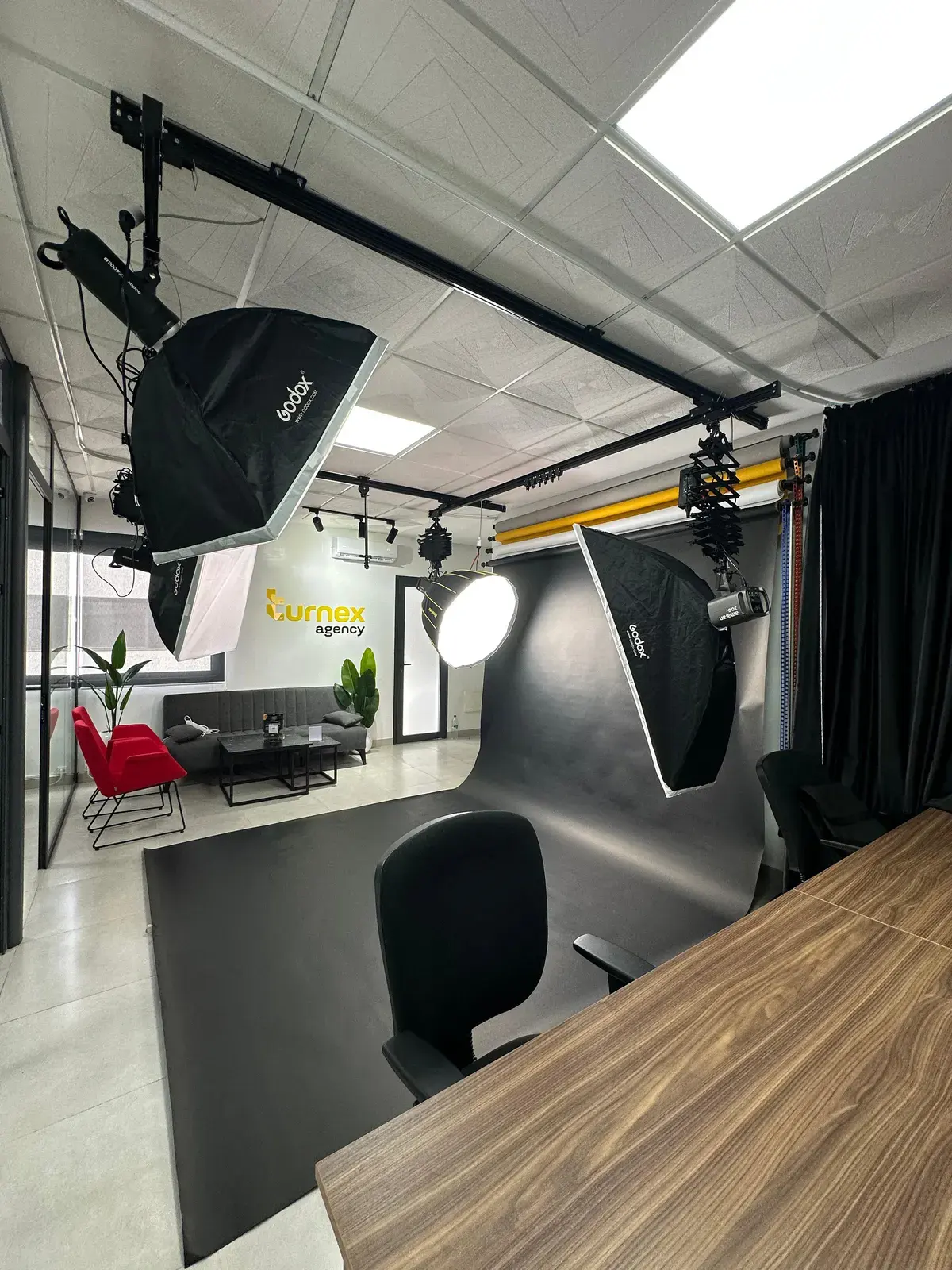
The real time saving comes next: producing in batches. A well-prepared half-day shoot can provide several short videos, and a photo session the visuals for several weeks. Grouping production with a video production team takes less energy than filming in a rush every week.
6. Schedule, publish, analyse
Native tools let you schedule your posts in advance: Meta Business Suite for Facebook and Instagram, and the scheduling features of TikTok and LinkedIn. At the end of the month, look at what worked (reach, interactions, messages received, clicks, sales) and adjust the next calendar: more of what works, less of what doesn't.
Tips for a calendar that lasts
- Get approval in one go: submit the month's calendar to the decision-maker before it starts, rather than post by post.
- Think about languages: depending on your audience, alternate French and Arabic, or adapt the copy to each network. Darija often makes short videos feel closer to your audience.
- Recycle: a blog post becomes a carousel, a long video several Reels, a customer testimonial a story.
- Plan for moderation: publishing also means replying to comments and messages straight away.
Editorial calendar and brand content
The calendar organises publication, but it doesn't replace thinking about what your brand needs to say. A brand content strategy defines the stories, formats and tone that make your content recognisable; the calendar rolls them out week after week. If you lack the time to keep up this pace, our community management team submits a calendar for your approval each month, then creates, publishes and manages your content.
Frequently asked questions
How far ahead should I plan my editorial calendar?
A detailed one-month calendar, complemented by an annual view of key moments, strikes a good balance: enough lead time to produce calmly, enough flexibility to react to the news.
Which tool should I use?
A shared spreadsheet (Google Sheets, Excel) is enough to start. Tools such as Notion or Trello help track production, and Meta Business Suite lets you schedule Facebook and Instagram posts.
What time should I post?
There is no universal time. Your accounts' statistics show when your audience is online: test several slots and compare, especially during Ramadan.